Home Theatre Projectors Buyers Guide
Choosing a Home Theatre Projector.
How much do I need to know about image quality?
Should I ceiling mount my projector?
Are there any 3D Projectors?
What inputs/connections should I use?
How do I set up my Audio?
What is an LED or Laser Projector?
What else should I look out for when buying?
What projectors do you recommend for home theatre?
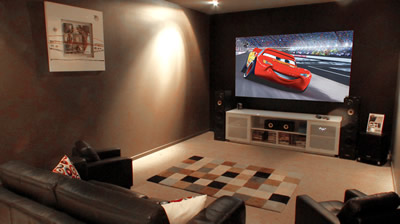
The standard unit of measurement for projector brightness is the ANSI Lumen, created by the American National Standards Institute. This measures the average brightest white a projector can achieve and is a great way of comparing how bright each projector will be. Unfortunately, some smaller brands choose to measure in “lumens” instead of “ANSI Lumens”. Be careful and check the advertised measurement is ANSI Lumens as some brands will exaggerate a ‘Lumen’ measurement quite significantly. (We have seen some advertised 8000 Lumen projectors measure less than 500 ANSI Lumens).
For darker ‘home theatre’ areas the Home Theatre projectors advertising brightness levels between 1500 and 3000 ANSI Lumens are normally ideal. These won’t handle a large amount of ambient light but can give excellent contrast and colour. For brighter rooms, open plan areas, and large lounge rooms, it can be wise to consider at a brighter model. There are plenty of home theatre models now featuring between 3000 and 4500, ANSI Lumens brightness… perfect for those rooms that cannot be fully darkened.
For a dedicated home theatre room, there are 2 key specifications to consider before making your purchase. These are:
Native Resolution and Contrast Ratio
A Native Resolution is essentially a measurement for the number of pixels (or dots) being projected. Usually this is represented as a number of pixels width vs height e.g. 1920 pixels width and 1080 pixels high is what we would call a FULL HD resolution. Projectors may accept signals higher and lower of the native resolution but will have to convert or compress the signal to display in the native resolution. The most common resolutions for home theatre are
- 1080p - 1920x1080 (Full High Definition 1080p)
- UHD - 3840x2160 (Ultra High Definition 4K 2160p)
The recommended resolution for home theatre applications is FULLHD or UHD/4K (1080p or 2160P). The 1080P resolution will result in a widescreen high detailed image perfect for Full HD games and Bluray Movies. With a 4K projector you can take advantage of high resolution 4K streaming, 4K blueray movies, and Foxtel's 4K channels, as well as experience 4K gaming with the latest Xbox and Playstions consoles.

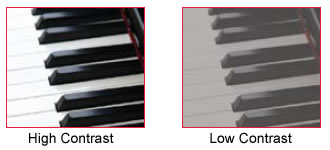
Contrast Ratio is another important specification of a home theatre projector. Contrast defines the difference between the whitest whites and the blackest blacks. If the peak white value is significantly different than the peak black value the signal is said to have high contrast resulting in well defined & detailed shading. A contrast of 10,000:1 means that the blackest black on the image will be 10,000 times blacker than the whitest white.
For a dedicated home theatre projector, that will be used in a darkened room, a high contrast ratio of 10,000:1 or more is best. In rooms that regularly have some ambient light, a high contrast projector is not required as ambient light in the room reduces any ill-effect that a low contrast rating may cause. If you plan to use your projector mainly in a lit or even semi-lit room, the contrast ratio is not of vital significance.
Unlike with ANSI Lumens, there is no standard method of measuring contrast. This means it can be difficult to compare models as different brands may use different methods that give higher figures.
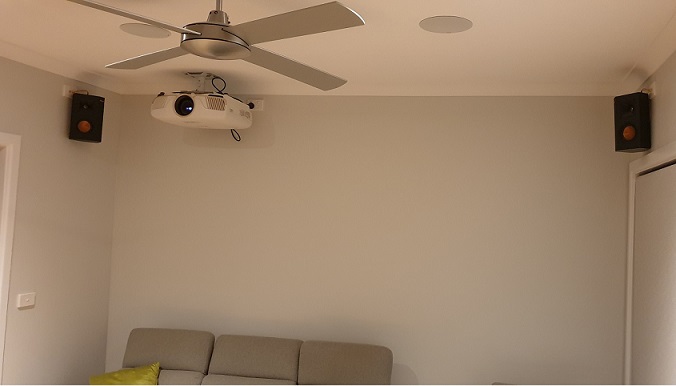
Ceiling mounting is the most common way to set your projector up in a typical home theatre, it gets it out of the way and allows you to hide the cabling within the ceiling cavity. Many projectors will require a projection distance of around 3 metres for a common image size of 100" (this varies between models so always check first). Most local electricians can quote you on the installation of your new projector, there are also AV and Antenna installation services that can assist too. Don't want to install on the ceiling? Absolutely no problem. Home Projectors are perfectly happy sitting on a coffee table, you can leave them there or pack up after each use. Just make sure the projector is placed at the right distance for your required image size, turn it on, adjust the focus, and you are up and running.
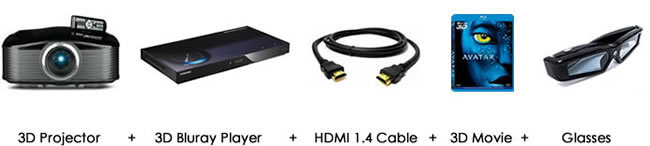
Yes. The 3D viewing feature is available on many home theatre projectors. To get 3D running you will need:
- A 3D compatible projector.
- Active shutter 3D glasses that are compatible with the projector you have purchased. (Those cheap glasses from the local cinema are 'passive' so will not work).
- A 3D compatible HDMI cable (most modern HDMI cables are fine)
- 3D Bluray player
- A 3D Bluray Disk
Almost all 3D Compatible DLP type projectors (such as BenQ, Optoma, Acer, Infocus) will use DLPLINK type 3D Glasses. Brands such as Epson tend to use IR, RF, or Bluetooth type glasses.
Some older projectors have connections like VGA, Component, Composite, and S-video on the back. These connections are all analogue and lower quality. Almost all modern projectors will solely utilise a HDMI connection, this is a digital connection that can provide a significant improvement in detail. Home theatre projectors should always be connected via a high quality HDMI cable. If you purchase a 4K resolution projector we recommend using a Active High Speed HDMI cable to ensure the signal remains strong enough, and reduce the risk of drop out.
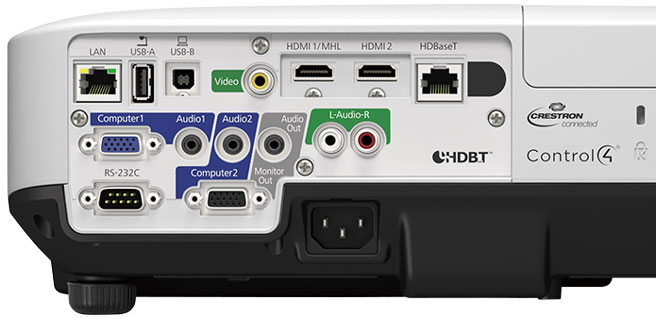
Many home projectors will have a small speaker inbuilt; this can be handy for movies on the go and for small rooms. These speakers are normally 5-10 watts power, like that of a small TV. For larger rooms, or if you simply want some good quality audio, we recommend the use of separate speakers.
A 5.1 or 7.1 home audio solution is best way to experience amazing surround sound at home. Just Projectors offers a range of bundles of speakers and receivers, or you can build your own. A good quality Receiver (also called an Amplifier) will let you connect multiple sources/players at once, decode your surround sound audio signals, send audio to the individual speakers, and connect the video up to the projector through a HDMI cable. This type of system does take more work to install but the audio quality is amazing. Please visit our speakers page to see our bundles.
Another option, that is far easier and cheaper to install, is a Sound Bar. You can view our range of projector compatible Sound Bars on our Sound Bars page. A Sound Bar can sit on a shelf or TV unit under your screen, or even mount to the wall. Basic sound bars can cost around $250-300 with higher quality options over the $1K mark. Projectors work a little differently to a TV, so when choosing a Sound Bar be sure to select one that features both a HDMI and a separate HDMI OUT port. Often the Sound Bar’s that feature a single HDMI eARC port will not work with a projector.
The majority of home theatre projectors will feature an inbuilt lamp that, at some point in the projectors life, will need to be replaced. Most modern projectors feature a very long lamp life so you may only need to replace the lamp once every 2-3 years depending on the use. Lamp-Free projectors, such as LED and Laser, have existed for quite a long time but more recently have become better value, higher quality, and more suitable for home theatre applications.
A projector using a laser or LED does not have a replaceable lamp so has much lower ongoing costs. Projectors with a laser light tend to be brighter than the LED versions although this will change as the technology evolves so always check the advertised ANSI Lumens rating on the projector. Whilst a projector with one of these lamp-free technologies is cheaper to run it does not always mean the projector is better in every way; Features, Colour Reproduction, Brightness, Contrast, and Image Processing will vary between each home theatre projector. Lamp based projectors are still the most common type for home theatre use and, for many clients, could still be the best option. There are also UST projectors also known as Laser TV's which are a new comer to the projector market.
There are some very cheap projectors ($100-$500) being advertised by some retailers as being great for home theatre. These offer extremely low resolutions, very poor quality optics, and low image quality. At Just Projectors, we have declined offers from our suppliers to sell these projectors as we feel they simply do not offer the quality that is required for home movies. As with all things, you get what you pay for.
What projectors do you recommend for home theatre?
[top]Our staff are constantly on the look out for great quality home theatre projectors that also offer amazing value. The below list is updated regularly with projectors our experts believe are the best home theatre projectors available today. We know it can be difficult to pick the best one for you so if you need assistance please send us an email with your requirements, we are happy to help.
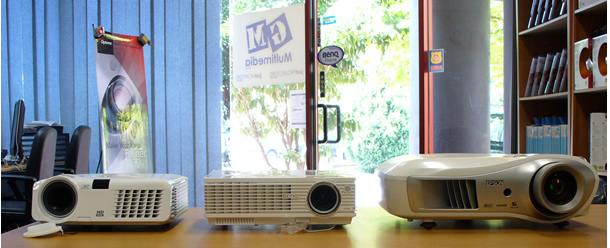
Home Theatre Recommendations
Optoma W400LVe DLP HD Multipurpose Projector
- WXGA HD
- 4000 ANSI Lumens
- 25,000:1 Contrast
- 10W Inbuilt Speaker
- Choose a Bonus Gift!
Epson CO-FH02 Full HD Smart Home Entertainment Projector
- 1080p FULL HD
- 3000 ANSI Lumens
- 16,000:1 Contrast
- AndroidTV Inbuilt
- Chromecast Inbuilt
- Bluetooth Audio Out
Optoma HD30HDR DLP Full HD Bright Home Theatre Projector

- 1080p FULL HD
- 3800 ANSI Lumens
- 50,000:1 Contrast
- Fast Gaming Mode
- Best Under $1k!
Viewsonic X1 1080P LED Home Theatre & Gaming Projector
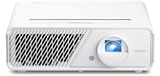
- 1080p FULL HD
- 3100 Lumens
- 3,000,000:1 Contrast
- 125% REC.709 Colour
- LED Light Source
- Fast Gaming Mode
Optoma HD39HDR DLP Full HD Bright Home Theatre Projector
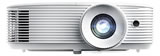
- 1080p FULL HD
- 4500 ANSI Lumens
- 50,000:1 Contrast
- Fast Gaming Mode
- Bonus FireStick Lite
Viewsonic PX748-4K DLP High Brightness 4K UHD Projector
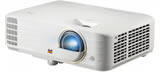
- UHD 4K
- 4000 ANSI Lumens
- 12,000:1 Contrast
- Fast Gaming Mode
Optoma UHD35+ DLP 4K Home Theatre Projector
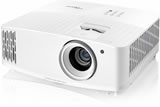
- UHD 4K
- 4000 ANSI Lumens
- 1,200,000:1 Contrast
- Fast Gaming Mode
BenQ W1800 DLP 4K Home Theatre Projector
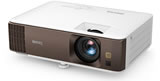
- UHD 4K
- 2000 ANSI Lumens
- Premium Glass Optics
- 100% REC709 Colour
- Fast Gaming Mode
Epson EH-TW6250 4Ke UHD Home Theatre Smart Projector
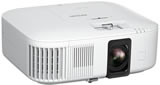
- UHD 4Ke
- 2800 ANSI Lumens
- Smart Apps Inbuilt
- Bluetooth (in app only)
- Lens Shift + Big Zoom
Epson EH-TW7100 4Ke UHD Home Theatre Projector
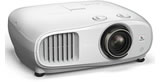
- UHD 4Ke
- 3000 ANSI Lumens
- 100,000:1 Contrast
- Low Fan Noise
- Lens Shift + Big Zoom
Optoma UHD55 4K UHD Smart Home Theatre Projector
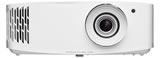
- UHD 4K
- 3600 ANSI Lumens
- 1,200,000:1 Contrast
- DCI-P3 Colour
- Fast Gaming Mode
- Bonus FireStick 4K
Viewsonic LX700-4K 4K Ultra HD Laser Theatre & Gaming Projector
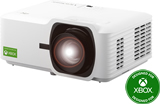
- UHD 4K
- 3500 ANSI Lumens
- 3,000,000:1 Contrast
- Fast Gaming Mode
- LASER Light Source
BenQ X500i 4K UHD LED Home Theatre & Gaming Projector
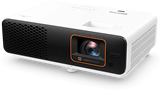
- UHD 4K
- 2200 ANSI Lumens
- 600,000:1 Contrast
- Fast Gaming Mode
- LED Light Source
- Android 11 Inbuilt
Optoma UHZ45 DLP 4K Ultra HD Laser Home Theatre Projector
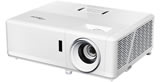
- UHD 4K
- 3800 ANSI Lumens
- 2,000,000:1 Contrast
- 97% DCI-P3 Colour
- Fast Gaming Mode
- LASER Light Source
- Bonus FireStick 4K
BenQ X3100i 4K UHD LED Home Theatre & Gaming Projector
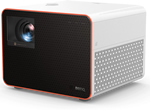
- UHD 4K
- 3300 ANSI Lumens
- 600,000:1 Contrast
- 100% DCI-P3 Colour
- Fast Gaming Mode
- LED Light Source
- Android 11 Inbuilt
BenQ W4000i 4K UHD LED Home Cinema Projector
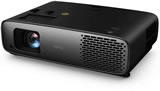
- UHD 4K
- 3200 ANSI Lumens
- 2,000,000:1 Contrast
- 100% DCI-P3 Colour
- Fast Gaming Mode
- LED Light Source
- Android 11 Inbuilt
ULTRA SHORT-THROW LASER PROJECTOR RECOMMENDATIONS
Samsung LSP7TFAXXY 4K Ultra Short Throw Smart Laser Projector

- UHD 4K
- LASER Light Source
- 2,000,000:1 Contrast
- Ultra Short Throw
- DCI-P3 Colour
- Inbuilt TV Tuner
- Inbuilt 30W Soundbar
Optoma CinemaX D2 DLP 4K Ultra Short throw Home Theatre Laser Projector
- UHD 4K
- 3000 ANSI Lumens
- LASER Light Source
- 1,800,000:1 Contrast
- Ultra Short Throw
- 120% REC709 Colour
- Bonus FireStick 4K
Epson EH-LS650B 4K Ultra Short throw Home Theatre Laser Projector
- UHD 4K
- 3600 ANSI Lumens
- LASER Light Source
- 2,500,000:1 Contrast
- Ultra Short Throw
- Android TV Inbuilt
Epson EH-LS800B 4K Ultra Short throw Home Theatre Laser Projector
- UHD 4K
- 4000 ANSI Lumens
- LASER Light Source
- 2,500,000:1 Contrast
- Ultra Short Throw
- Android TV Inbuilt